
Managing the Symptoms of Dementia
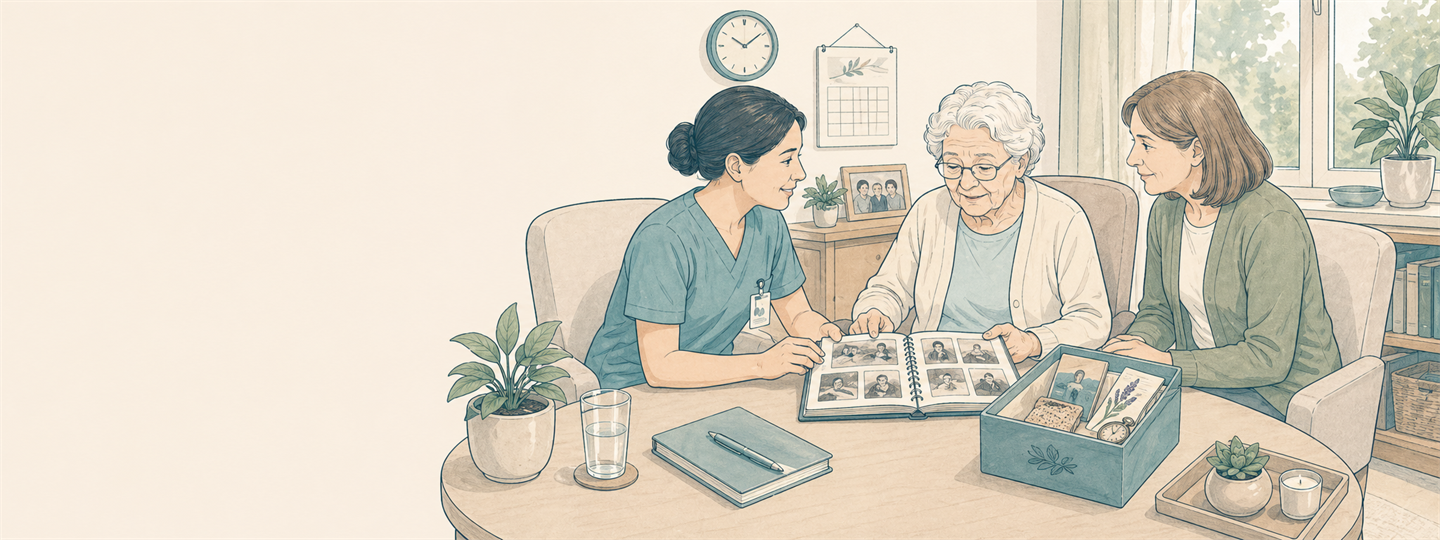
This course teaches nurses to effectively manage behavioral and psychological symptoms of dementia (BPSD) using an evidence-based approach. Readers will learn specific interventions for BPSD that are caused by patient, caregiver, and environment-related factors. This course reviews important medications but stresses the importance of a non- pharmacologic approach, and it also addresses the use of restraint in patients with dementia with a focus on safety and patient rights.
Learning Objectives
- Implement strategies to proactively address behavioral and psychological symptoms of dementia (BPSD).
- Identify at least three behavioral or psychological symptoms of dementia.
- Explain the four steps of the DICE approach.
- Distinguish between patient, caregiver, and environment-related factors that contribute to patients' BPSD.
- Explain why non-pharmacologic interventions are preferable to pharmacologic interventions in the management of BPSD.
- Describe the dangers of restraint use in patients with dementia.
- Select appropriate interventions for a patient's BPSD using the DICE approach.
Overview
This course teaches nurses to effectively manage behavioral and psychological symptoms of dementia (BPSD) using an evidence-based approach. Readers will learn specific interventions for BPSD that are caused by patient, caregiver, and environment-related factors. This course reviews important medications but stresses the importance of a non- pharmacologic approach, and it also addresses the use of restraint in patients with dementia with a focus on safety and patient rights.
Learning Objectives
After completing this course, the reader will be able to:
- Implement strategies to proactively address behavioral and psychological symptoms of dementia (BPSD).
- Identify at least three behavioral or psychological symptoms of dementia.
- Explain the four steps of the DICE approach.
- Distinguish between patient, caregiver, and environment-related factors that contribute to patients' BPSD.
- Explain why non-pharmacologic interventions are preferable to pharmacologic interventions in the management of BPSD.
- Describe the dangers of restraint use in patients with dementia.
- Select appropriate interventions for a patient's BPSD using the DICE approach.
Sign up for free to view full course
Create a learner account to open the full course, keep your place, and return when you are ready to unlock quiz access.
Sign up for free