
Alzheimer’s Disease & Other Dementias
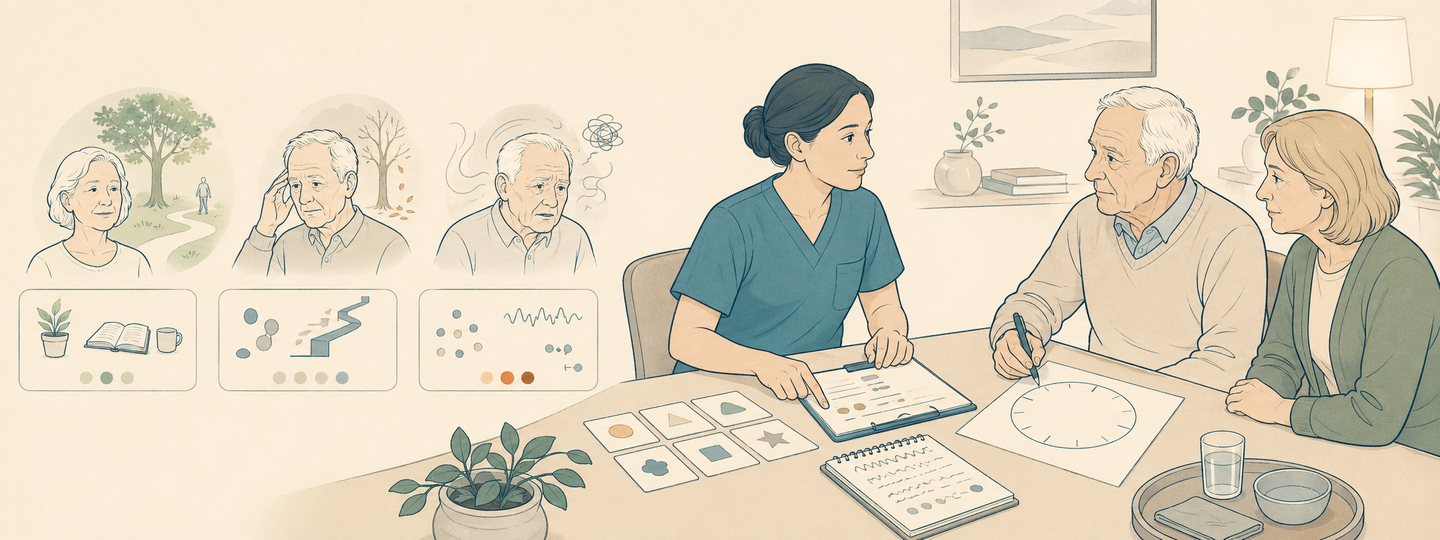
This course provides a synopsis of Alzheimer's Disease and other dementias. Dementia affects one in ten Americans over the age of 65. More than ever before, it is crucial for nurses to address dementia properly by incorporating best practices into the care they deliver on a routine basis. Readers will learn to distinguish between dementia, delirium, and the normal cognitive changes of aging, and identify different causes of gradual and acute cognitive decline. Finally, this course provides practical communication strategies for each of the clinical stages of dementia and specific interventions for protecting the dignity of patients with dementia.
Learning Objectives
- Relate the impact that Alzheimer's Disease has on our society.
- Distinguish between normal cognitive changes of aging, dementia, and delirium.
- Contrast the symptoms of dementia with normal cognitive changes of aging.
- Differentiate between fluid and crystallized memory abilities.
- Identify major reversible causes of cognitive decline and describe the importance of treating these causes.
- Differentiate between common types of dementia.
- List significant risk factors for Alzheimer's Disease.
- Contrast Alzheimer's Disease with Alzheimer's Dementia.
- Identify the stages of dementia.
- Employ appropriate communication strategies for patients in different stages of dementia.
- Use appropriate interventions to preserve the dignity of patients with dementia.
Overview
This course provides a synopsis of Alzheimer's Disease and other dementias. Dementia affects one in ten Americans over the age of 65. More than ever before, it is crucial for nurses to address dementia properly by incorporating best practices into the care they deliver on a routine basis. Readers will learn to distinguish between dementia, delirium, and the normal cognitive changes of aging, and identify different causes of gradual and acute cognitive decline. Finally, this course provides practical communication strategies for each of the clinical stages of dementia and specific interventions for protecting the dignity of patients with dementia.
Learning Objectives
After completing this course, the reader will be able to:
- Relate the impact that Alzheimer's Disease has on our society.
- Distinguish between normal cognitive changes of aging, dementia, and delirium.
- Contrast the symptoms of dementia with normal cognitive changes of aging.
- Differentiate between fluid and crystallized memory abilities.
- Identify major reversible causes of cognitive decline and describe the importance of treating these causes.
- Differentiate between common types of dementia.
- List significant risk factors for Alzheimer's Disease.
- Contrast Alzheimer's Disease with Alzheimer's Dementia.
- Identify the stages of dementia.
- Employ appropriate communication strategies for patients in different stages of dementia.
- Use appropriate interventions to preserve the dignity of patients with dementia.
Sign up for free to view full course
Create a learner account to open the full course, keep your place, and return when you are ready to unlock quiz access.
Sign up for free